What is a Biokineticist?
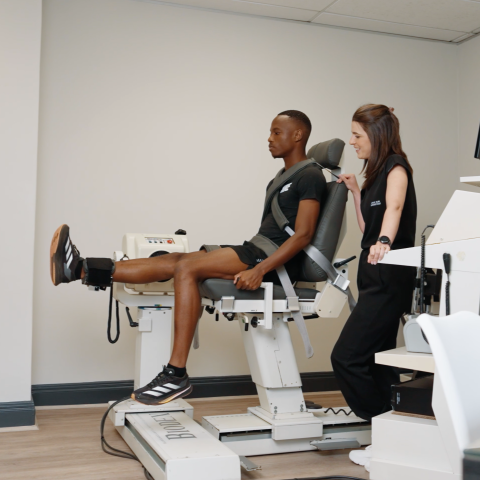

A Biokineticist will typically:
- Evaluate your Muscle imbalances, Biomechanics, Range of Movement, Functionality, Balance and Posture.
- Prescribe individualised exercise programs for rehabilitation after an injury, surgery, or illness.
- Help manage chronic diseases such as Diabetes, Hypertension, Arthritis, or Heart conditions through safe exercise.
- Improve Posture, Mobility, Strength, Balance, and Flexibility.
- Work with athletes on injury prevention and performance enhancement.
- Promote general wellness and functional independence (fall prevention), especially in older adults.
Our Services
Not sure what you need?
FAQs
Curious about how biokinetics differs from physiotherapy or what to expect from your sessions? We’ve answered some common questions below.
What exactly is a Biokineticist?
A Biokineticist is a regulated healthcare professional who specialises in exercise-based rehabilitation, health promotion and the restoration of physical function. In simple terms: “Bio” means life, “kinetics” means movement — so the profession focuses on life through movement.
Biokineticists evaluate muscle imbalances, biomechanics, range of motion, posture and functional movement, and then prescribe scientifically-based exercise programmes to prevent or treat injuries and chronic conditions, improve performance and enhance overall wellness.
How does a Biokineticist differ from a Physiotherapist?
While both professions support rehabilitation and movement, their roles, treatment phases and methods differ in key ways.
- A physiotherapist is typically involved in the acute phase: the initial injury, trauma or surgery where the priority is pain relief, reducing swelling, restoring mobility, and early functional return.
- A biokineticist usually comes in once you are medically stable, past the initial acute stage, and ready for the rehabilitation / conditioning / performance phase. The emphasis is on restoring full function, strength, movement quality, endurance and prevention of re-injury.
- A physiotherapist may use manual therapy techniques (mobilisation, manipulation, soft-tissue work) and may treat in hospital/clinic settings. In contrast, the biokineticist uses structured exercise as the primary therapeutic tool; hands-on treatment is far less central.
Why should I see a Biokineticist? What benefit does it bring?
If your goal is not just to get back to minimal function, but to restore full strength, movement quality, balance, coordination, sport-specific performance or to manage a chronic disease through exercise, then a biokineticist offers the expertise to take you there. They help you avoid future injury or decline, optimise performance, manage your health proactively, and achieve long-term functional independence.
When in the recovery process should I see a Biokineticist?
Typically, you would first see a physiotherapist (or relevant medical professional) when there’s acute injury, pain, surgery or trauma. Once pain/swelling is managed and your initial mobility restored, the biokineticist steps in to work on strengthening, movement re-education, conditioning and return-to-activity or sport.
Does a Biokineticist only work with injured or athletic clients?
Not at all. Biokinetics covers a broad spectrum: orthopaedic rehabilitation, sports injuries, but also chronic disease management (diabetes, hypertension, arthritis), neurological conditions, pre-/post-natal rehabilitation, wellness promotion, and functional movement in older adults. In other words: exercise as medicine for everyday life.
How will I know if I need a Biokineticist or something else (like physiotherapy)?
If you are recovering from surgery/injury and still in the acute phase (pain, swelling, major mobility limitations), physiotherapy may be most suitable initially. If you’re past the acute stage and your goals are returning to full function, sport, performance, or managing movement and strength deficits long-term, then see a biokineticist. If unsure, ask your healthcare provider or clinic for a referral or evaluation—they can guide you.